



Editor’s Note: Today’s “From the Archives” post was originally published in April 2024. It highlights research conducted with members of our Indago supply chain community -- along with select members of JBF Consulting’s customer community -- exploring, among other topics, how satisfied companies are with their Transportation Management System (TMS) investments. After reading, share your perspective in the comments: Do you believe satisfaction levels increased, decreased, or remained the same over the past two years?
The global transportation management systems (TMS) market size is estimated to be around $16-17 billion. But how satisfied are companies with their investments in Transportation Management Systems (TMS)? How do they measure/quantify satisfaction? As logistics software providers promote their Generative AI and Machine Learning capabilities, how satisfied are companies with the progress vendors are making in these areas?
We asked members of our Indago supply chain research community — who are all supply chain and logistics executives from manufacturing, retail, and distribution companies — as well as select members of JBF Consulting’s customer community, those questions in a recent survey.
Almost three quarters of the survey respondents (71%) are using a TMS, either deployed internally (50%) or provided by their 3PL (21%). Of the respondents using a TMS, half (50%) are either “Satisfied” (42%) or “Very Satisfied” (8%) with their solution. However, 29% said they were either “Dissatisfied” (25%) or “Very Dissatisfied” (4%) with their TMS.
So, what do these results tell us?
Charter Sponsors

Rising Diesel Prices: How Are Shippers Responding?
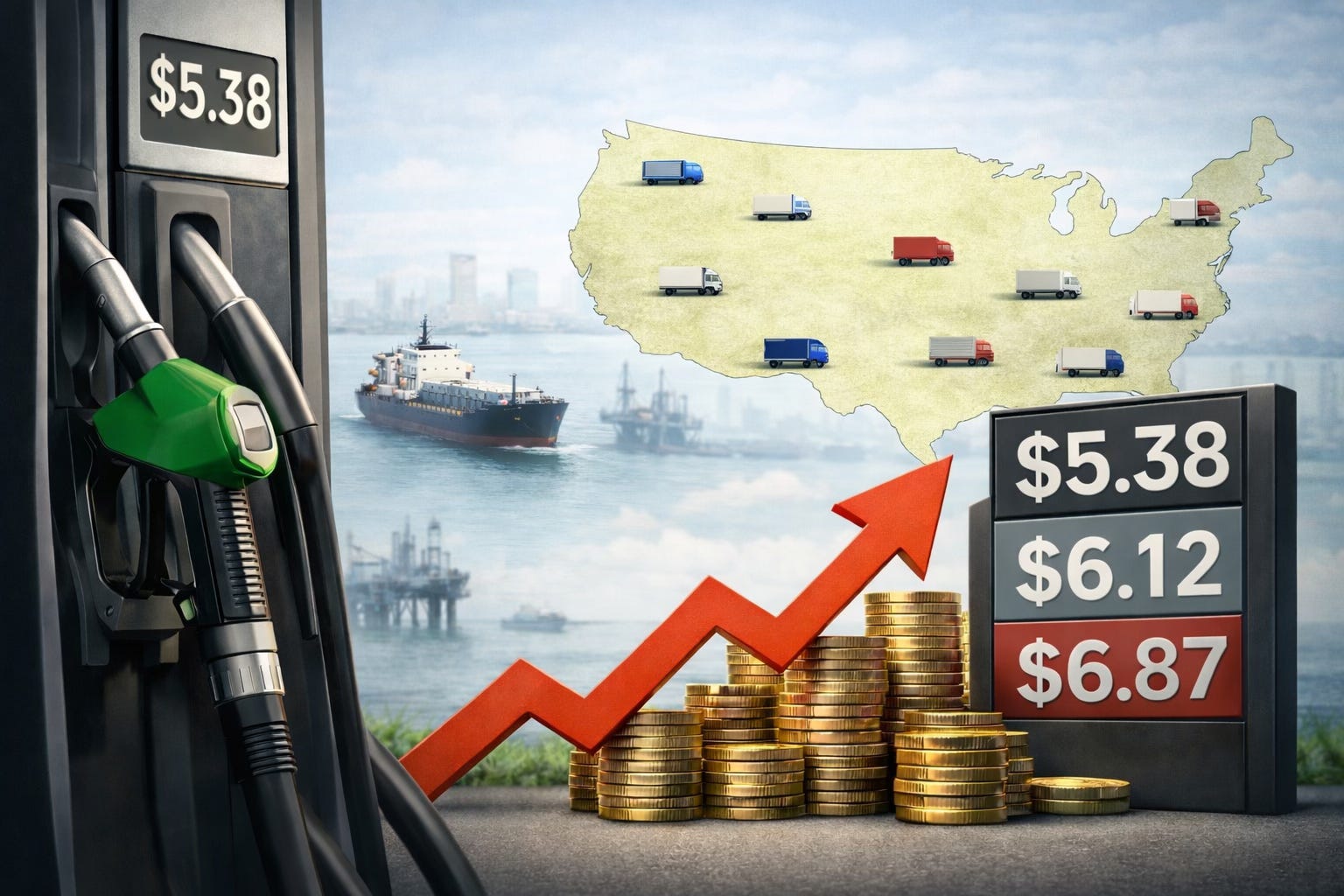
Diesel prices are rising again — and quickly. As reported in the Wall Street Journal: “Diesel prices for U.S. truckers rose a record 96 cents a gallon this past week [25% increase], an ominous sign for retailers and manufacturers juggling tariffs and bracing for higher shipping costs following the U.S.-Israeli attacks on Iran.”
If elevated prices persist through the rest of 2026, how will shippers respond?
This survey explored the expected impact on transportation spend, the actions companies are most likely to take, how fuel surcharge programs are structured, and the biggest challenges in managing fuel price volatility.
Latest Talking Logistics Episode:
Import Tariffs: A Top-Tier Enforcement Priority in the U.S.
Platinum Sponsors


New from Sponsor Blogs
Source: Descartes
Supply Chain Leader’s Guide to Cross-Border Freight Solutions
Source: Werner
Strategic Intermodal Solutions for U.S.-Mexico Logistics
Source: Werner
Companies are getting tariff refunds. Will you see lower prices?
Source: Descartes
Finding hidden value: What a multi-shipper network analysis reveals
Source: Uber Freight
Beyond the pump: 7 Levers shippers can pull when fuel prices jump
Source: Uber Freight
2026 Outlook: Spot Market strategies for shippers, carriers and brokers
Source: Trimble
Transportation in 2026: From experimentation to acceleration
Source: Trimble
Gold Sponsors

