



Editor’s Note: Today’s “From the ‘Better with a Network’ Archives” post was originally published in May 2023. The post argues that embedding generative AI within supply chain business networks could potentially help companies automatically generate and continuously update visual maps of their supplier networks by analyzing transactional data, reducing the time and effort required to create these maps and improving visibility beyond Tier 1 suppliers. To learn more about our Better With a Network research initiative, please visit betterwithanetwork.com.
Here is one opportunity where human-AI collaboration could deliver business value: feeding a generative AI engine with supply chain data to help companies generate visual maps of their supply chain.
What is Supply Chain Mapping? It’s knowing and representing graphically where the manufacturing/production facilities of your suppliers (and their suppliers) are physically located, and which parts or materials are manufactured/produced at each location.
Supply Chain Mapping is a key component of supply chain risk management, and as the authors of Hidden Suppliers Can Make or Break Your Operations (Harvard Business Review, May 2015) state, “With the size and complexity of supply chains soaring, a daunting challenge is confronting companies: identifying the critical nodes hidden within the vast expanse of their supply networks.”
Supply chain mapping takes time, money, and resources to do it right. Unfortunately, many companies lack all three (as well as leadership support), which is why they haven’t done it yet.
In a March 2020 survey we conducted with members of our Indago supply chain research community — who are all supply chain and logistics executives from leading manufacturing, retail, and distribution companies — 91% of our members said…
Charter Sponsors

Digital Twins in Supply Chain Operations
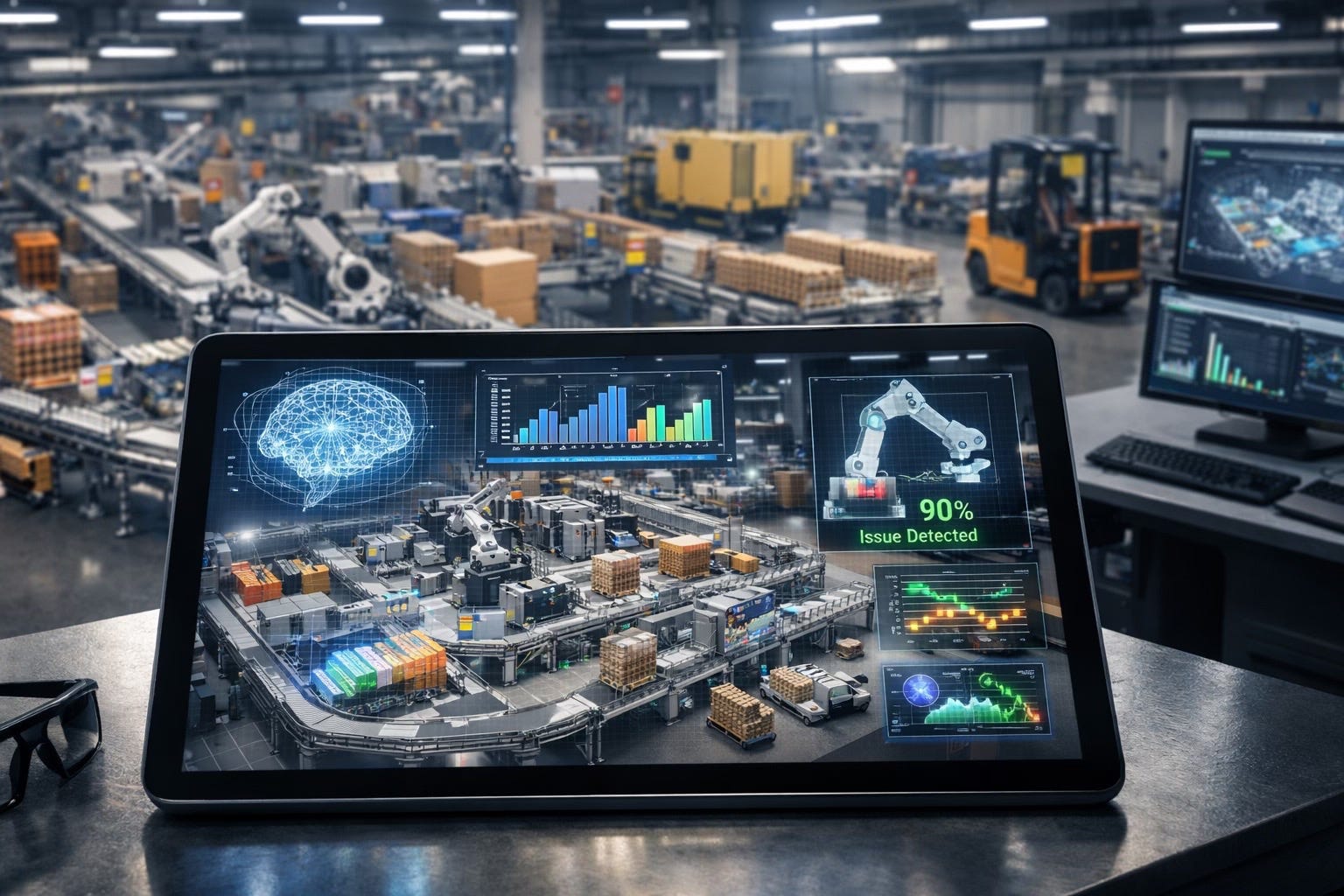
PepsiCo announced an industry-first collaboration with Siemens and NVIDIA to apply AI-enabled digital twin technology across manufacturing and supply chain operations. The initiative is focused on simulating, optimizing, and validating production and logistics decisions before making physical or capital changes. Against this backdrop, this survey explored how supply chain and logistics executives are viewing the strategic importance, readiness, and potential value of AI-enabled digital twins within their own organizations.
Latest Talking Logistics Episode:
Leading Through the Five Stages of Grief in Supply Chain Management
Platinum Sponsors


New from Sponsor Blogs
Entrepreneur: Your Fulfillment Process Could Be Draining Your Profits — Here’s How to Fix It Fast
Source: Descartes
Commercial Carrier Journal: New FMCSA initiatives help tackle escalating freight fraud
Source: Descartes
2026 Outlook: Spot Market strategies for shippers, carriers and brokers
Source: Trimble
Transportation in 2026: From experimentation to acceleration
Source: Trimble
The Dedicated Advantage: Ending the Overtime Trap with Reliable, Multi-Modal Final Mile Delivery
Source: Werner
Cross-Border Logistics & Nearshoring: Building Resilient Supply Chains
Source: Werner
3 trends driving speed, agility, and accuracy in CPG retail logistics
Source: Uber Freight
Source: Uber Freight
Gold Sponsors


We’re all interconnected thanks to internet, now IA will do massive improvements on how we will “connect” with other people.