



What is the biggest risk facing logistics operations today?
You can probably come up with a long list — everything from carrier bankruptcies to ports shutting down due to labor issues or geopolitical conflicts — but high up on the list, if not topping it, is cyberattacks.
“Cyberattacks on logistics have skyrocketed in recent years,” according to the 2026 Annual Supply Chain Risk Report published by Everstream Analytics. “In 2021, Everstream Analytics reported 20 incidents. Between then and 2025, there has been a 965% increase in attacks targeting logistics.”
The report adds that 2025 emerged “as a watershed moment for cyberattacks on logistics. Attacks on logistics, including carriers, 3PLs and other providers, increased from 132 to 213 incidents in 2025 — a 61% surge.”
What makes this risk particularly challenging is that…
Charter Sponsors

Digital Twin in Supply Chain Operations
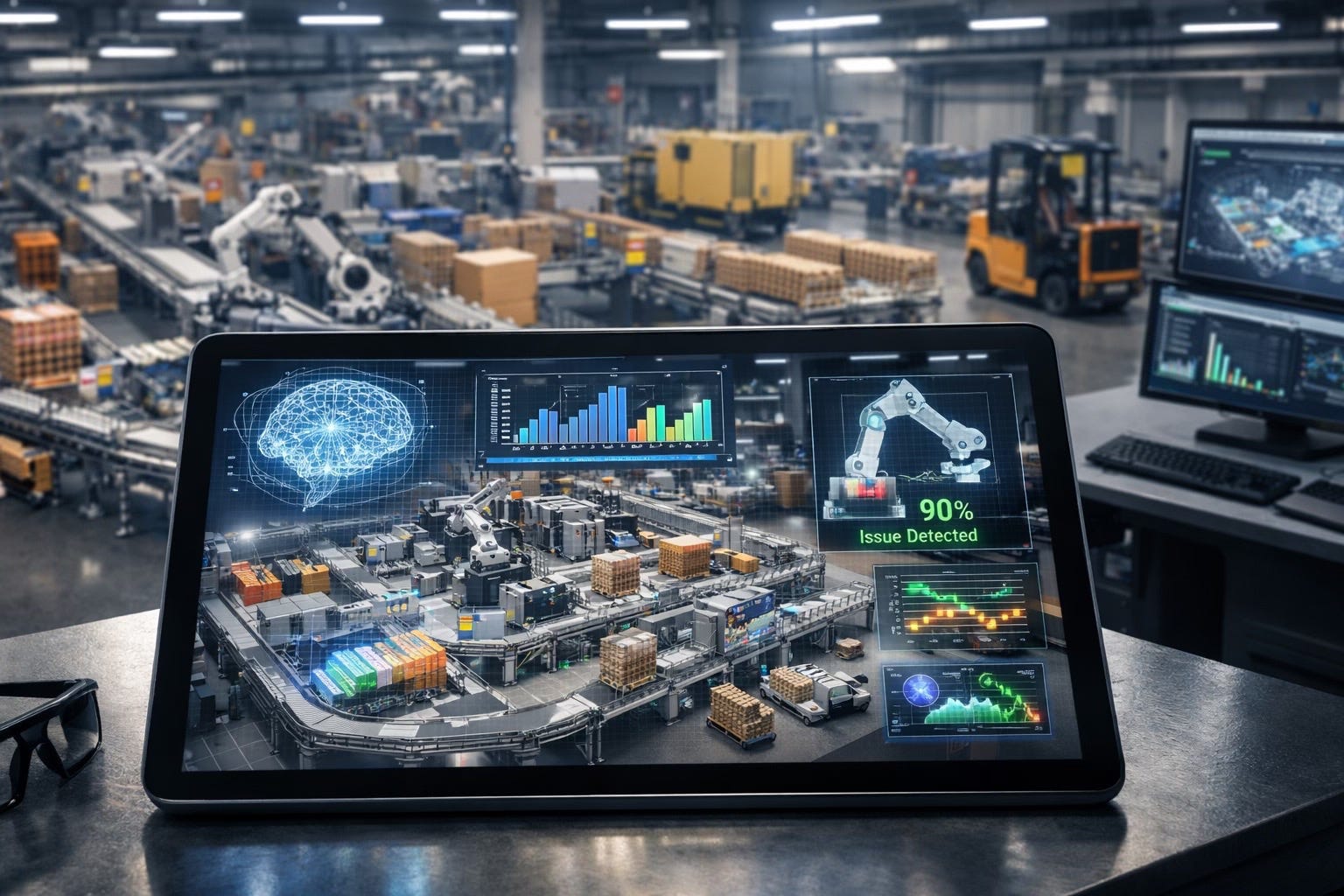
PepsiCo announced an industry-first collaboration with Siemens and NVIDIA to apply AI-enabled digital twin technology across manufacturing and supply chain operations. The initiative is focused on simulating, optimizing, and validating production and logistics decisions before making physical or capital changes. Against this backdrop, this survey explored how supply chain and logistics executives are viewing the strategic importance, readiness, and potential value of AI-enabled digital twins within their own organizations.
Latest Talking Logistics Episode:
Leading Through the Five Stages of Grief in Supply Chain Management
Platinum Sponsors


New from Sponsor Blogs
Entrepreneur: Your Fulfillment Process Could Be Draining Your Profits — Here’s How to Fix It Fast
Source: Descartes
Commercial Carrier Journal: New FMCSA initiatives help tackle escalating freight fraud
Source: Descartes
2026 Outlook: Spot Market strategies for shippers, carriers and brokers
Source: Trimble
Transportation in 2026: From experimentation to acceleration
Source: Trimble
The Dedicated Advantage: Ending the Overtime Trap with Reliable, Multi-Modal Final Mile Delivery
Source: Werner
Cross-Border Logistics & Nearshoring: Building Resilient Supply Chains
Source: Werner
3 trends driving speed, agility, and accuracy in CPG retail logistics
Source: Uber Freight
Source: Uber Freight
Gold Sponsors


