


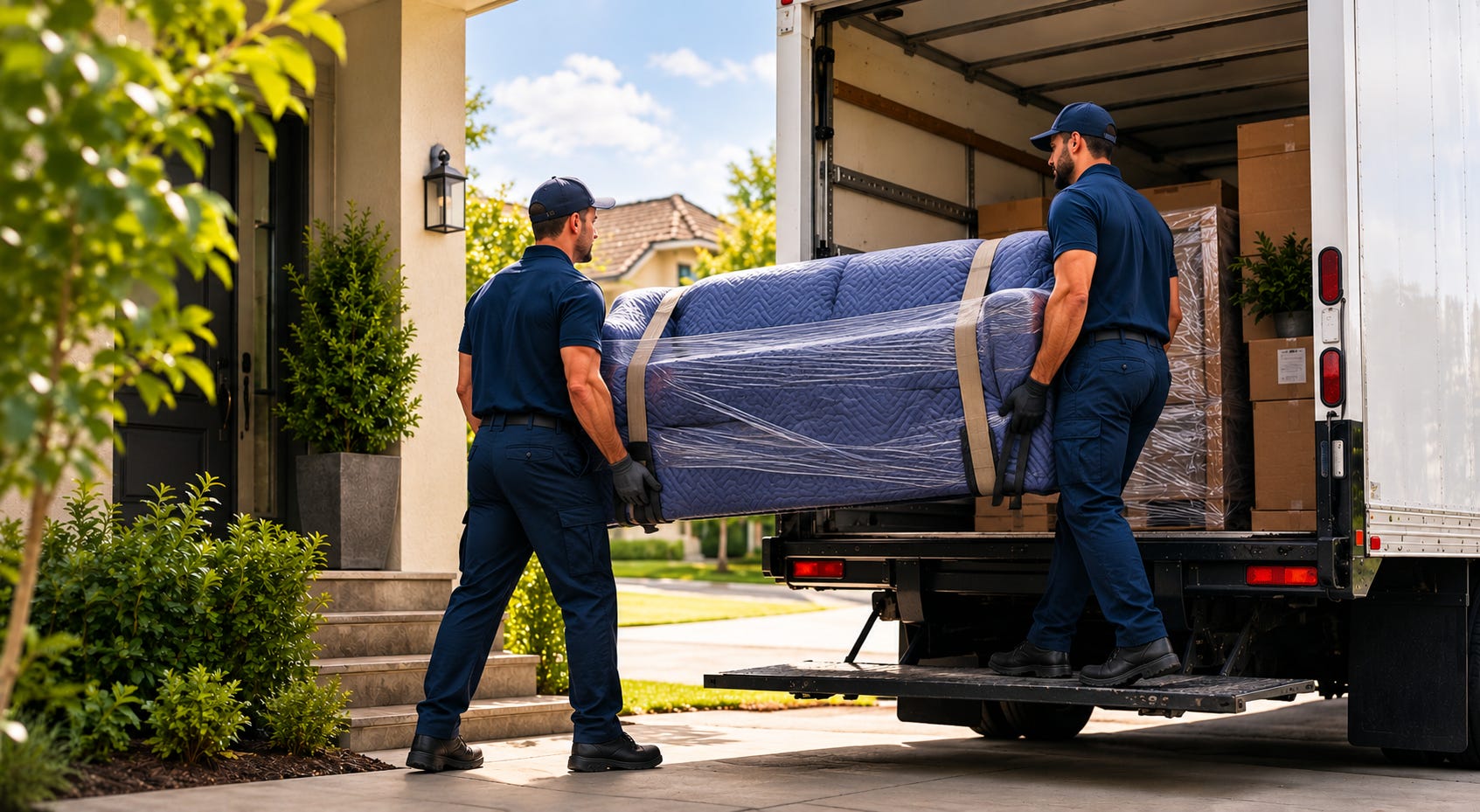
As e-commerce for oversized items grows, furniture brands face severe margin erosion from transit damage and poor doorstep experiences. In this post, I outline the key infrastructure, technology, and handling capabilities shippers must evaluate to build a resilient final-mile network. By shifting from standard parcel networks to dedicated big-and-bulky models, brands can protect both their profits and their customer reputation.
Protecting Margins and Reputation: The Strategic Value of the Final Mile in Furniture Retail
For furniture brands, shipping big, bulky, and high-value items is fundamentally different from shipping standard parcels. A single scratched dining table, a cracked bed frame or a frustratingly vague delivery window can instantly wipe out profit margins and cost a retail brand a lifetime customer. Because the final mile is the only physical touchpoint a customer has with a brand, the delivery network is no longer just a logistical necessity; it is as a direct extension of customer service and brand reputation.
To safeguard the bottom line, furniture logistics must be treated as a highly specialized discipline rather than a generic transportation requirement. Transitioning from a standard shipping model to a resilient, high-performing final-mile network requires logistics leaders to focus on four critical pillars: specialized network design, the doorstep experience, technological visibility, and reverse logistics.
Charter Sponsors

Would You Put Your Freight on a Driverless Truck?
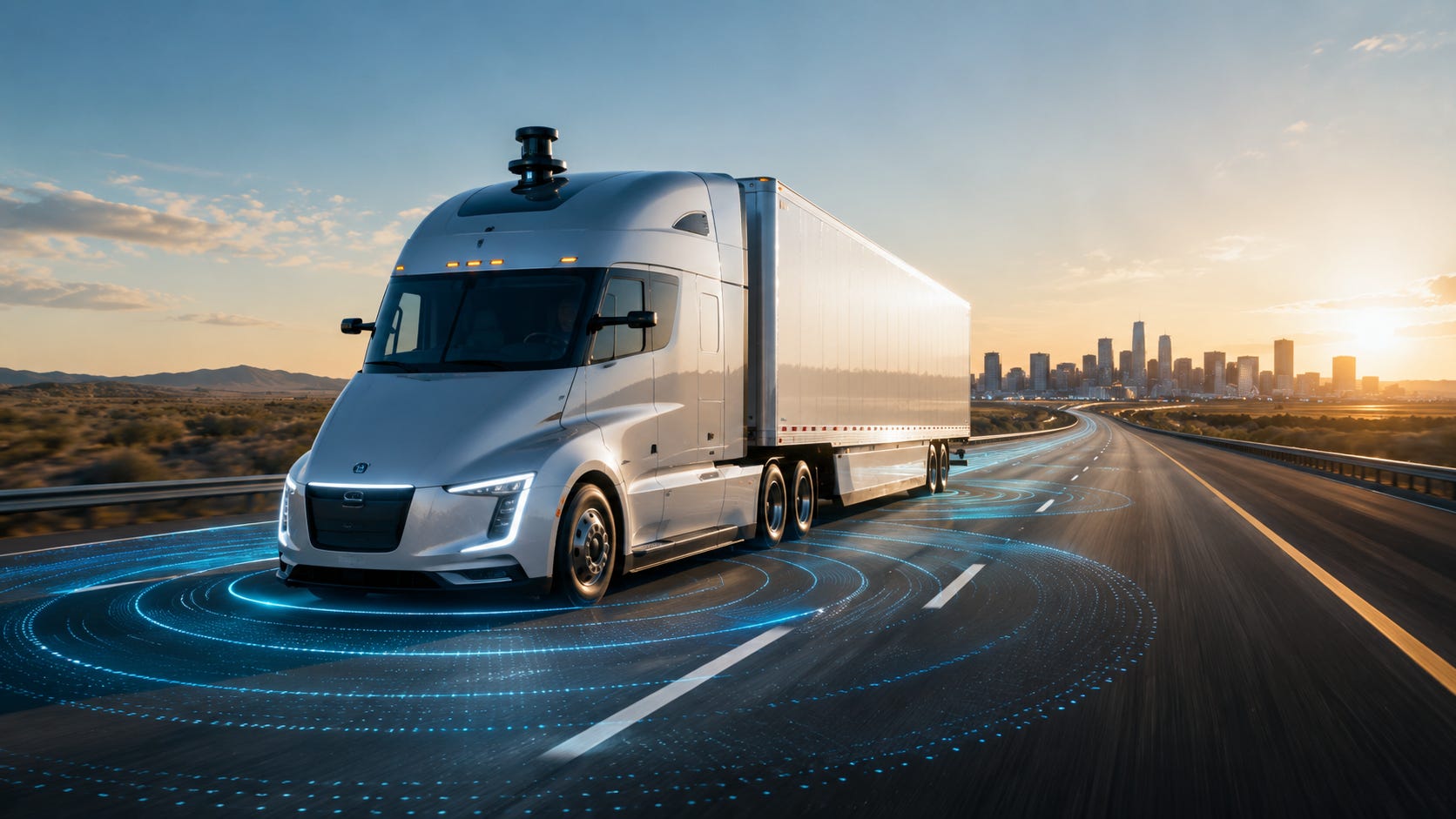
Driverless trucks have been “coming soon” for more than a decade. But recent developments suggest the industry may finally be approaching a new phase. This month, for example, PepsiCo disclosed that it is operating 35 driverless trucks on public roads in Arizona as part of its live supply chain operations.
Back in August 2022, we asked Indago members about testing driverless trucks. At the time, most respondents were not testing the technology. It’s now four years later. Has shipper sentiment changed? Are companies more willing to test or use driverless truck capacity, and what barriers remain to broader adoption?
Latest Talking Logistics Episode:
Final Mile Excellence: What Separates the Best from the Rest
Platinum Sponsors


New from Sponsor Blogs
USPS Shipping Rule Changes Create New Cost and Compliance Challenges for Ecommerce Sellers
Source: Descartes
Descartes XPS Ship Adds FedEx Extra Small Box Support for Ecommerce Sellers
Source: Descartes
Grow Here, Stay Here, Thrive Here: Driver Career Opportunities at Werner
Source: Werner
Know a Great Driver? Here’s How to Earn More Than $5,000 with Werner’s Referral Program
Source: Werner
How outsourced carrier contracts mitigate operational risk: Why a strong logistics partner matters
Source: Uber Freight
Q2 freight market update: Market pressures converge and create urgency
Source: Uber Freight
2026 Outlook: Spot Market strategies for shippers, carriers and brokers
Source: Trimble
Transportation in 2026: From experimentation to acceleration
Source: Trimble
Gold Sponsors

