


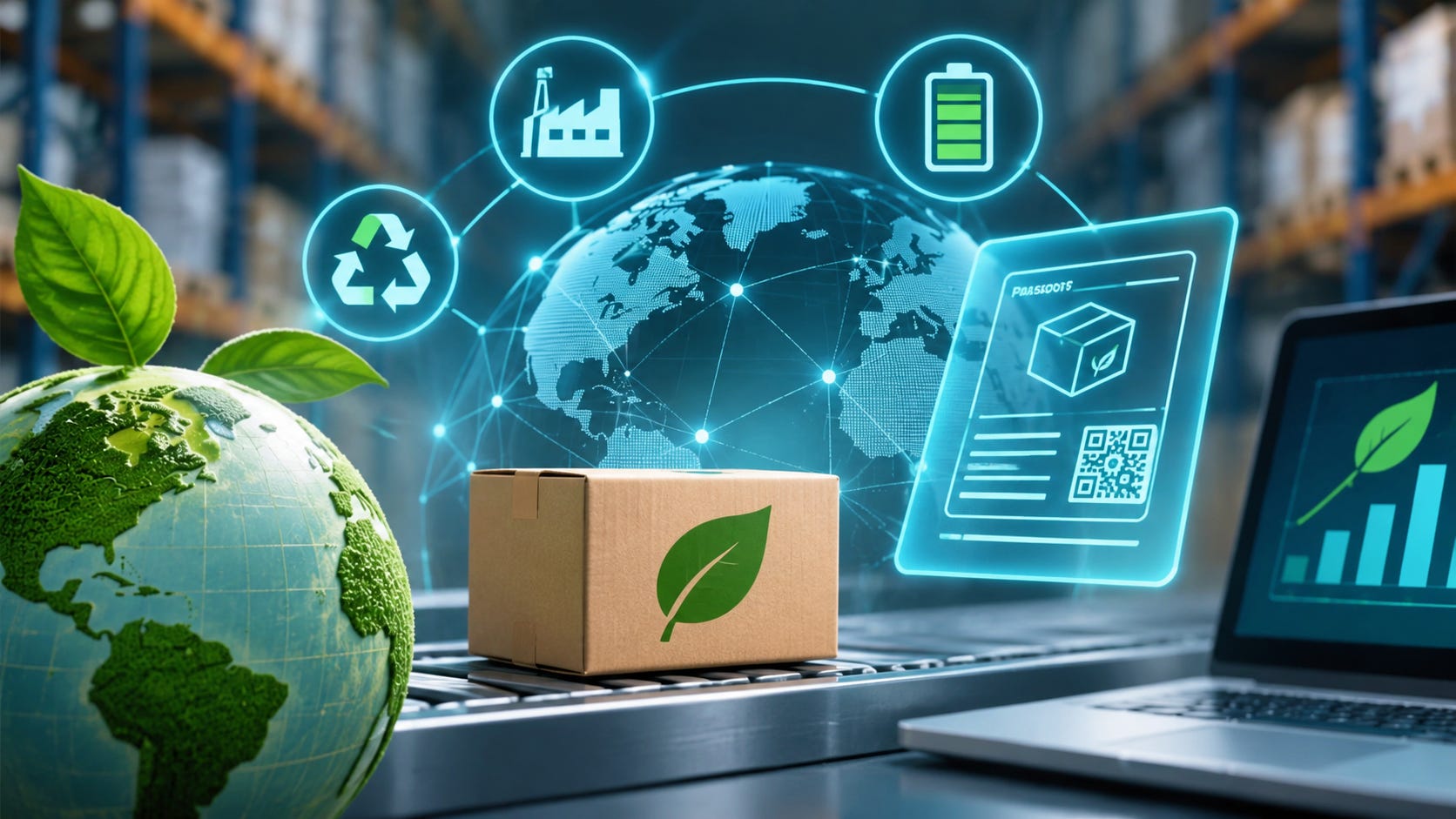
Digital Product Passports, ESG regulations, product traceability — the list of compliance requirements companies must navigate continues to grow. Unfortunately, meeting these requirements isn’t something companies can do on their own. Much of the data and documentation required comes from suppliers, often across multiple tiers of the supply chain.
So, how do you get suppliers to participate without creating even more work and complexity for them? And what roles can AI, industry standards, and supplier networks play in making compliance easier and more scalable? Those are some of the questions I discussed with Brian Carelli, VP, Sustainability and Partnerships at Infor, during a recent episode of Talking Logistics.
Charter Sponsors

The First Half of 2026: What’s Changed, What’s Worked, and What’s Next
The first half of 2026 has been anything but predictable. Tariffs, geopolitical tensions, AI advancements, changing transportation market conditions, and other developments have created new challenges — and new opportunities — for supply chain organizations. As we reach the midpoint of the year, we’d like to understand what has had the greatest impact on your organization, what has surprised you, where you’ve made the most progress, and what priorities will shape the months ahead.
Latest Talking Logistics Episode:
Predictive Safety: What Sets the Best Fleets Apart
Platinum Sponsors


New from Sponsor Blogs
Talking Logistics: Descartes: From the Dot-Com Era to the AI Era
Source: Descartes
Ecommerce Sellers Face December Start for UPS’s 2027 Rate Increase
Source: Descartes
A Message from Jordan: Q3 2026
Source: Werner
Werner Premium Services: Tailored logistics for high-value, high-stakes freight
Source: Werner
Gold Sponsors


